

𝘼fter World War II, Nestlé wanted to enter the Japanese market.They believed Nescafé could be the everyday drink of Japan’s new generation.
Today, Japan is one of the world’s largest coffee importers. Coffee vending machines are on every corner. Canned cold brews are cultural staples.
But back in the mid-20th century? Japan didn’t want anything to do with coffee.
Nestlé tried to crack the market—and failed. Miserably.
So how did Nescafé become a household name in a tea-dominated culture?
The answer? Psychology, patience, and playing the long game.
When Nestlé entered Japan in the 1960s, it poured millions of dollars into advertising, distribution, and marketing.
TV commercials, fancy displays, instant coffee tins — all pushed into a culture that simply wasn’t interested.

Nescafé had perfected their product:
Good taste
Affordable pricing
Attractive packaging
None of this mattered because people weren’t familiar with coffee. Instead, Japanese consumers saw coffee as:
Bitter and foreign
Too Western, compared to traditional green tea
A luxury item with no place in everyday life
Nestlé even tried introducing ready-made coffee to train stations and corporate offices — but it didn’t stick.
The product was right. The timing — and the audience — wasn’t.
It wasn’t just a business flop. It was a culture clash.
In 1975, the famous French psychoanalyst Clotaire Rapaille was invited to Japan by Nestlé.
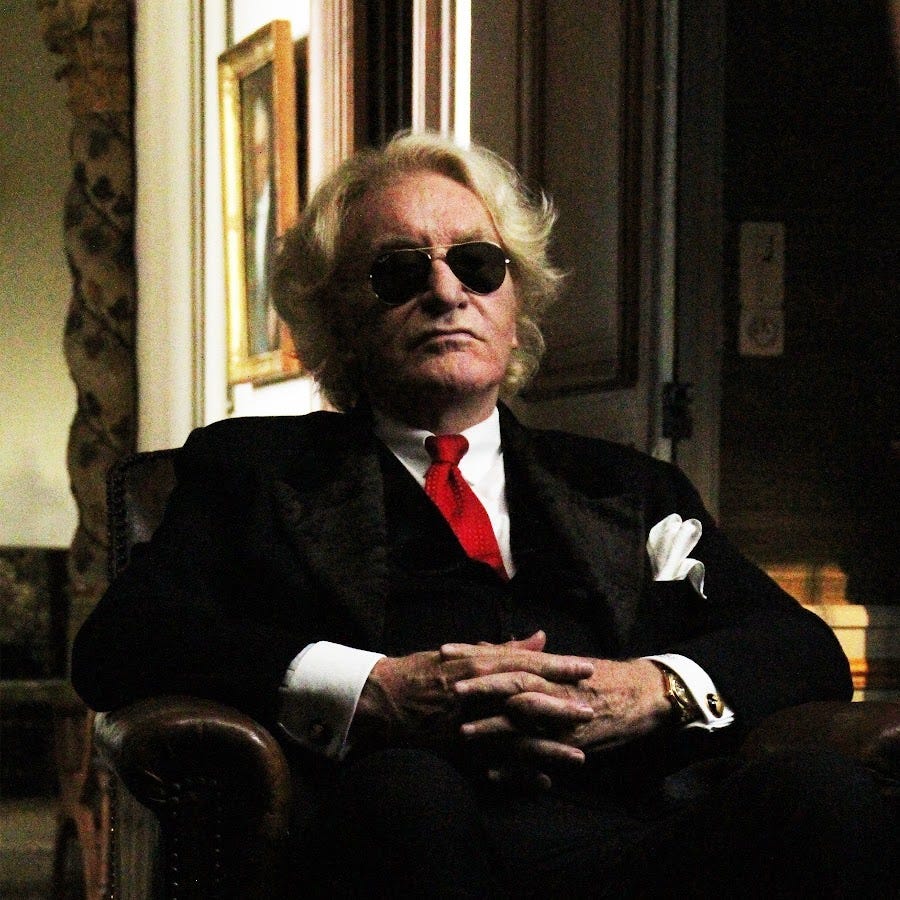
Dr. Clotaire Rapaille, a child psychologist and cultural anthropologist, was known for decoding consumer behavior through deep emotional imprinting.
He said, “If adults don’t like coffee, don’t market to adults. Market to their kids.”
Rapaille believed that emotional taste memory begins in childhood.
If Nestlé could make coffee flavors feel familiar, safe, and sweet — children would grow up craving what their parents rejected.
His solution was to sell coffee to children — but not as coffee.
So Nestlé pivoted.
They started infusing coffee flavor into candy, desserts, and chocolate.
These weren’t major products, and they weren’t supposed to make a profit.
Their purpose was simple: Make coffee taste like childhood.
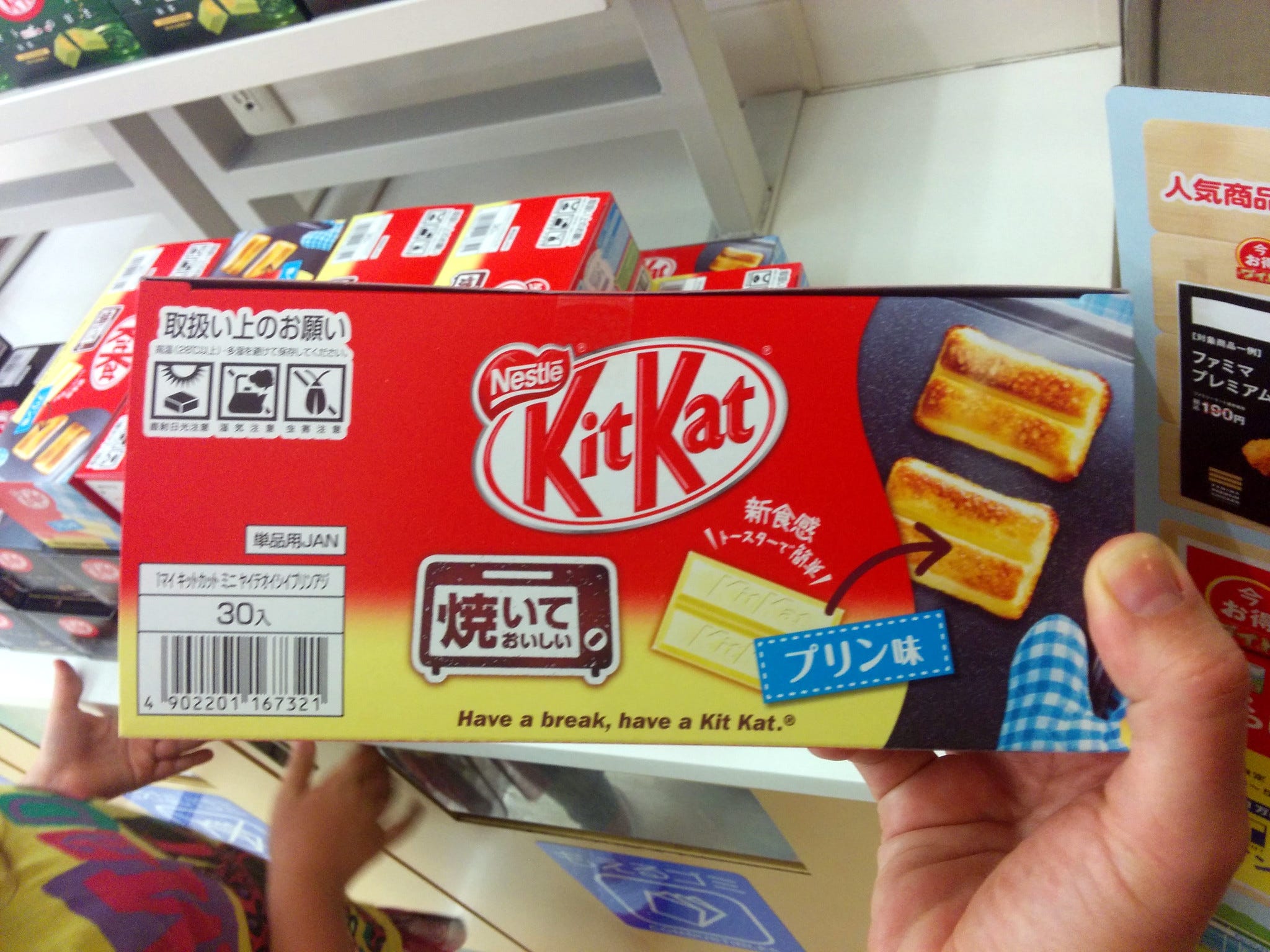
Nestlé Japan flooded the market with their coffee-flavoured candies, which immediately became extremely popular with Japanese youth.
The secondary effect of the candy push was the filtering up of the coffee flavour to their parents, who ended up tasting the candies out of curiosity — and started to like them too.
This was never meant to be a short-term win.
Nestlé knew this strategy might take decades to pay off. But they embraced the long game.
Instead of pushing instant coffee on a market that wasn’t ready, they patiently planted flavor associations — gently nudging an entire generation to accept coffee as normal, even comforting.
By the 1980s, the children raised on coffee-flavored sweets were now young adults.
They entered the workforce with long commutes, rigid expectations, and exhausting workweeks.
And when they needed something to keep them alert?
An entire generation had grown up with coffee as part of their emotional landscape.
When those children became adults, coffee didn’t feel foreign.
Coffee felt like the answer.
But not just any coffee — the flavor they already knew.
Sales of Nescafé instant coffee skyrocketed.
It no longer felt “foreign” — it was familiar, energizing, and emotionally comforting.
From convenience stores to vending machines, coffee became an everyday ritual.
Japan’s coffee culture exploded — with new product lines, seasonal brews, and localized flavors.
Today, Japan:
Imports over 500,000 tons of coffee annually
Has the largest canned coffee market in the world
Sees coffee as both a lifestyle and necessity
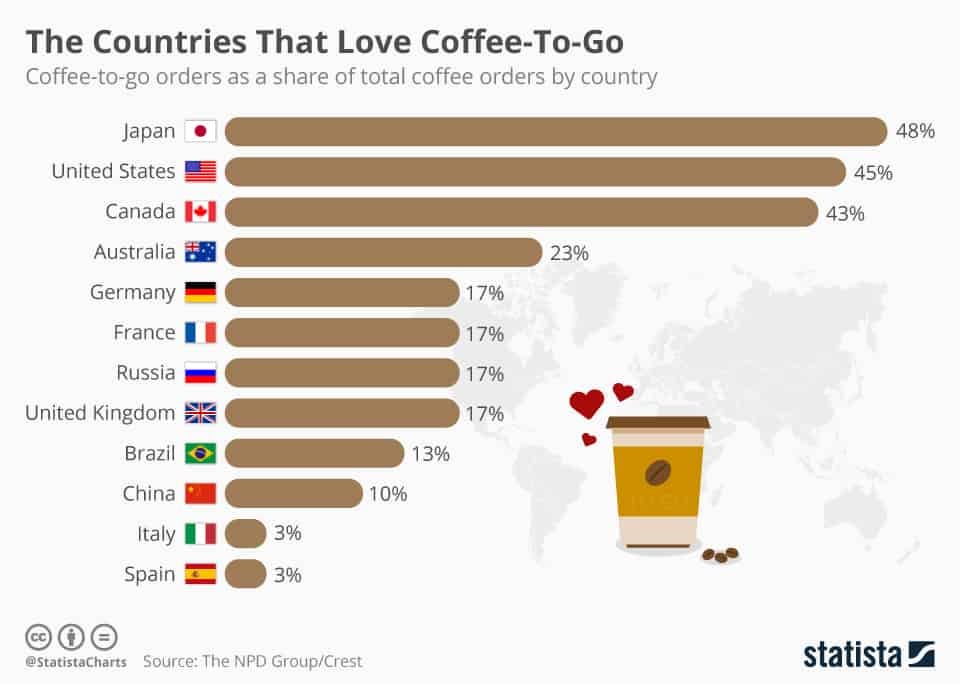
Nestlé is the undisputed market leader in that geography.
Japan today imports 500,000 tons of coffee annually.
Barely 60 years earlier, it was a market that hardly sold a cup!
Rapaille delivered for Nestlé Japan one of the most profound case studies of modern marketing — underlining the strong correlation between consumer psychoanalysis, its manifestation in visible behavior patterns, and how smart marketers can pivot marketing strategies to their advantage by fully understanding how consumers think, behave, and buy.
The flavour of green tea over rice is still a Japanese favourite.
But in less than half a century — a mere couple of generations — coffee too has become an integral part of the Japanese palette.
Nestlé repeated the coffee learning with noodles in India.
Most of India had never tasted noodles.
But Maggi noodles targeted kids — and won over mothers.
Why Understanding Psychology Matters
A knowledge of psychological principles will help you understand what makes us feel something.
This is the key to sales — and also to creating a brand.
Many studies have shown that consumers are mostly irrational when it comes to purchasing decisions.
A lot of buyers’ choices are largely influenced by their inner biases instead of logical research.
This leads to many impulse purchases made by people.
The ability to understand human impulsiveness — and utilize it to increase sales — is crucial for every marketer.
Neuromarketing can help you create more engaging campaigns, personalize customer experiences, and build brand loyalty.
All of these goals are important for businesses to gain an edge in today’s highly competitive market.
Companies that win long-term don’t just ask, “What will make people buy?”
They ask, “What will make people feel something — and remember it?”
You’ll see it in how modern brands use psychology today:
Coca-Cola associates its drinks with joy, celebration, and nostalgia
Apple frames its products as identity and creativity
Nike speaks to inner struggle and triumph
Netflix uses AI to tap into moods, not just genres
Oatly created a movement by tapping into rebellion, weirdness, and health
Glossier made skincare intimate by embracing imperfection and belonging
💡 What Can You Learn From This?
Pay attention to what stories you are telling your customer.
Is there any emotional connection between you and your customer?
This emotional connection works selflessly.
Understand why your customer buys — understand their need and the reason behind it.
Position it that way.
📌 Want to learn more marketing stories like this?
Check out my breakdown of a brilliant campaign where a startup used real people with celebrity names to hijack attention — without paying a single dollar to the actual celebrities.
It’s smart, scrappy, and something big brands wish they thought of first.
👉 Read the full story here